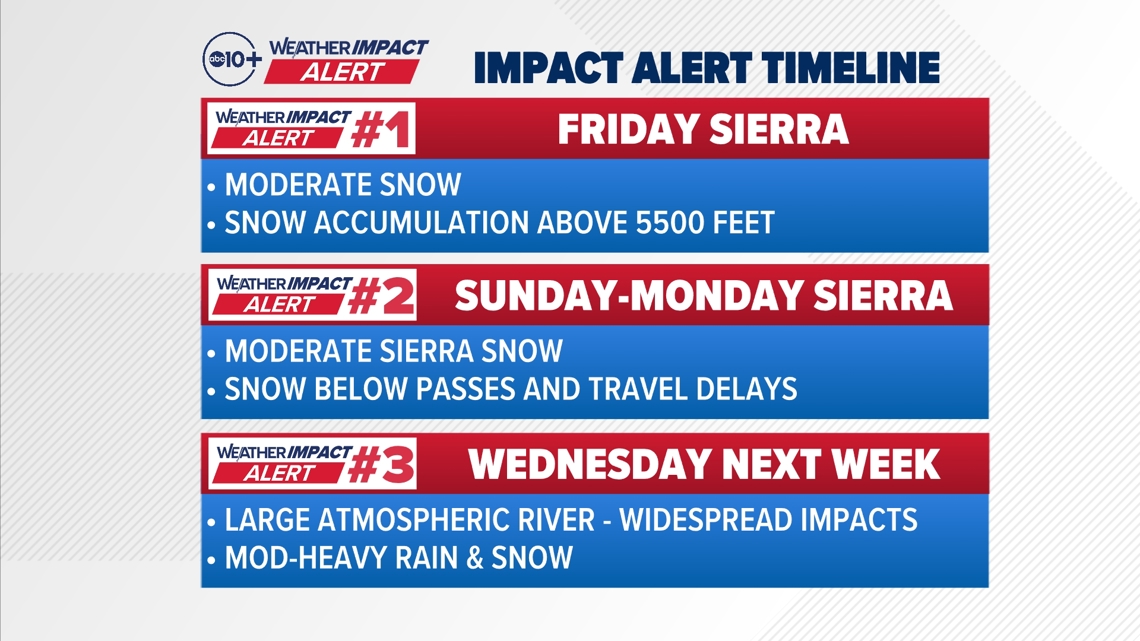
After a pleasant stretch of unseasonably warm, spring-like days, Northern California is bracing for a significant shift in weather as a powerful storm system barrels towards the region. Beginning Wednesday, residents across the American River Watershed, Sacramento Valley, and the Sierra Nevada can expect a dramatic return to winter-like conditions, marked by intense rainfall, strong winds, and heavy mountain snow. This impending northern california storm not only promises to disrupt daily routines but also raises concerns about potential power outages, localized flooding, and hazardous travel conditions, particularly during the evening commute.
Authorities are urging communities to prepare for these challenging conditions, especially given that many areas are already saturated from previous powerful systems this winter. The change will be swift, transforming serene skies into a landscape gripped by nature's fury, demanding vigilance and proactive measures from everyone in its path.
The Approaching Weather System: What to Expect
The transition from sunny tranquility to storm chaos will unfold throughout Wednesday. Early morning commuters in areas like the American River Parkway and Sacramento can anticipate scattered showers and relatively light winds, causing minimal immediate disruptions. However, this calm is merely the prelude to a far more intense weather event.
Rainfall & Wind Conditions
- Morning Hours: Expect intermittent, light rain and manageable winds, allowing for a relatively normal start to the day for many.
- Afternoon Escalation: By the afternoon, the storm's true intensity will begin to manifest. Rain will steadily intensify, turning what might have been a damp morning into a potentially hazardous evening commute. Drivers should be prepared for rapidly deteriorating visibility and slick roads.
- Peak Impact (Evening): The heaviest precipitation is forecast to sweep into Sacramento and communities along the lower American River between 4 and 5 p.m., coinciding directly with the evening rush hour. This period will not only bring torrential downpours but also increasing wind gusts. These gusts are a significant concern, capable of felling trees, dislodging outdoor items, and creating widespread travel hazards. Crucially, these strong winds coupled with saturated grounds significantly elevate the risk of localized power outages, leaving thousands in the dark.
- Lingering Effects: While the most widespread, steady rain is expected to taper off around 10 p.m. Wednesday night, the storm's influence won't vanish entirely. Lingering showers and even possible thunderstorms are projected to persist well into Thursday afternoon, keeping conditions unsettled and requiring continued caution.
Sierra Snowfall & Travel Warnings
While the valleys brace for rain, the Sierra Nevada will be contending with significant snowfall. Light snow is expected to begin falling at elevations around 5,000 feet early Wednesday morning, gradually intensifying throughout the day. Travel along critical routes like Highway 50 through the Sierra is strongly discouraged unless absolutely necessary. Heavy snowfall, combined with strong, gusty winds, will create whiteout conditions, treacherous roads, and potential road closures, making driving extremely dangerous. This northern california storm poses a serious threat to anyone attempting to traverse mountain passes.
Preparing for the Impact: Safety & Resilience
Given the forecast of heavy rain, strong winds, and the potential for power outages, preparedness is paramount. Residents throughout Northern California should take proactive steps to safeguard their homes and families.
Understanding Rainfall Totals & Flood Risk
The amount of rain expected varies significantly by elevation:
- Sacramento Valley: Forecasts indicate over an inch of rain, which, on already saturated ground, can quickly lead to ponding on roads and localized drainage issues.
- Foothills and Upper Watershed: These areas are predicted to receive a more substantial soaking, with up to 3 inches of rain. Such heavy volumes on steep terrain increase the risk of runoff and potential landslides in vulnerable areas.
- High Sierra: Significant snowfall is anticipated above 5,000 feet, which while beneficial for the snowpack, will make travel exceedingly difficult and dangerous.
Residents near the American River and its various tributaries must remain especially alert for rising water levels. Localized flooding in low-lying areas is a distinct possibility, making it crucial to monitor local weather alerts and official advisories. Due to the preceding series of powerful systems and record rainfall, grounds are already saturated, amplifying the flood risk from even moderate additional precipitation.
Practical Tips for Storm Preparedness:
- Secure Outdoor Items: Strong winds can turn patio furniture, trash bins, and other loose objects into dangerous projectiles. Secure or bring inside anything that could be blown away.
- Prepare for Power Outages: Charge all electronic devices, including phones, laptops, and portable power banks. Assemble an emergency kit that includes flashlights, fresh batteries, a battery-powered radio, non-perishable food, water, and any necessary medications. Unplug sensitive electronics to protect them from power surges when electricity is restored.
- Clear Drains and Gutters: Ensure that storm drains and gutters around your property are clear of leaves and debris to allow for proper water runoff and reduce the risk of localized flooding around your home.
- Stay Informed: Monitor local news, weather apps, and official emergency alerts for the latest updates on the storm's progression and any potential advisories or evacuation orders.
- Emergency Contacts: Keep a list of emergency contacts, including utility companies and local emergency services, readily accessible.
Navigating Travel Disruptions and Road Safety
The Wednesday evening commute is expected to be particularly challenging across Northern California. Heavy rain will drastically reduce visibility, and standing water can create dangerous hydroplaning conditions. Strong wind gusts will add another layer of hazard, especially for high-profile vehicles.
- Avoid Non-Essential Travel: If possible, reschedule non-essential travel for Wednesday afternoon and evening. Work from home or adjust your schedule if you can.
- Check Road Conditions: Before embarking on any journey, especially to the foothills or mountains, consult Caltrans for the latest road conditions and closures. Apps like Waze or Google Maps can also provide real-time traffic updates.
- Slow Down: Reduce your speed significantly, especially in heavy rain and windy conditions. Maintain a greater following distance between your vehicle and others.
- Use Headlights: Turn on your headlights, even in daylight, to improve visibility for yourself and other drivers.
- Be Wary of Standing Water: Avoid driving through standing water if you cannot determine its depth. Even a few inches of water can stall a vehicle or cause you to lose control.
- Public Transportation: Consider utilizing public transportation if it's an option, as it can reduce the number of vehicles on the road and alleviate congestion.
Beyond Wednesday: What Lies Ahead?
While Wednesday will bear the brunt of this northern california storm, its effects will linger. As mentioned, showers and even scattered thunderstorms are possible into Thursday afternoon. This prolonged period of unsettled weather means that saturated grounds will have little time to dry out, potentially exacerbating flood risks in subsequent days, even from lighter precipitation.
Forecasters will be closely watching for the potential development of isolated thunderstorms, which can bring sudden, intense bursts of rain and localized wind damage. While the immediate focus is on Wednesday's main event, residents should remain vigilant for continued weather impacts through the end of the week. The repeated drenching of the landscape underscores the importance of ongoing preparedness throughout the season.
As Northern California prepares for this significant weather event, the emphasis remains on safety and preparedness. By taking proactive measures, staying informed through reliable sources, and exercising caution, residents can mitigate many of the risks associated with this powerful storm. Remember to secure your property, prepare for potential power outages, and adjust travel plans to avoid hazardous conditions. This isn't just another rainy day; it's a dynamic weather system that demands our full attention and respect. Stay safe, Northern California.